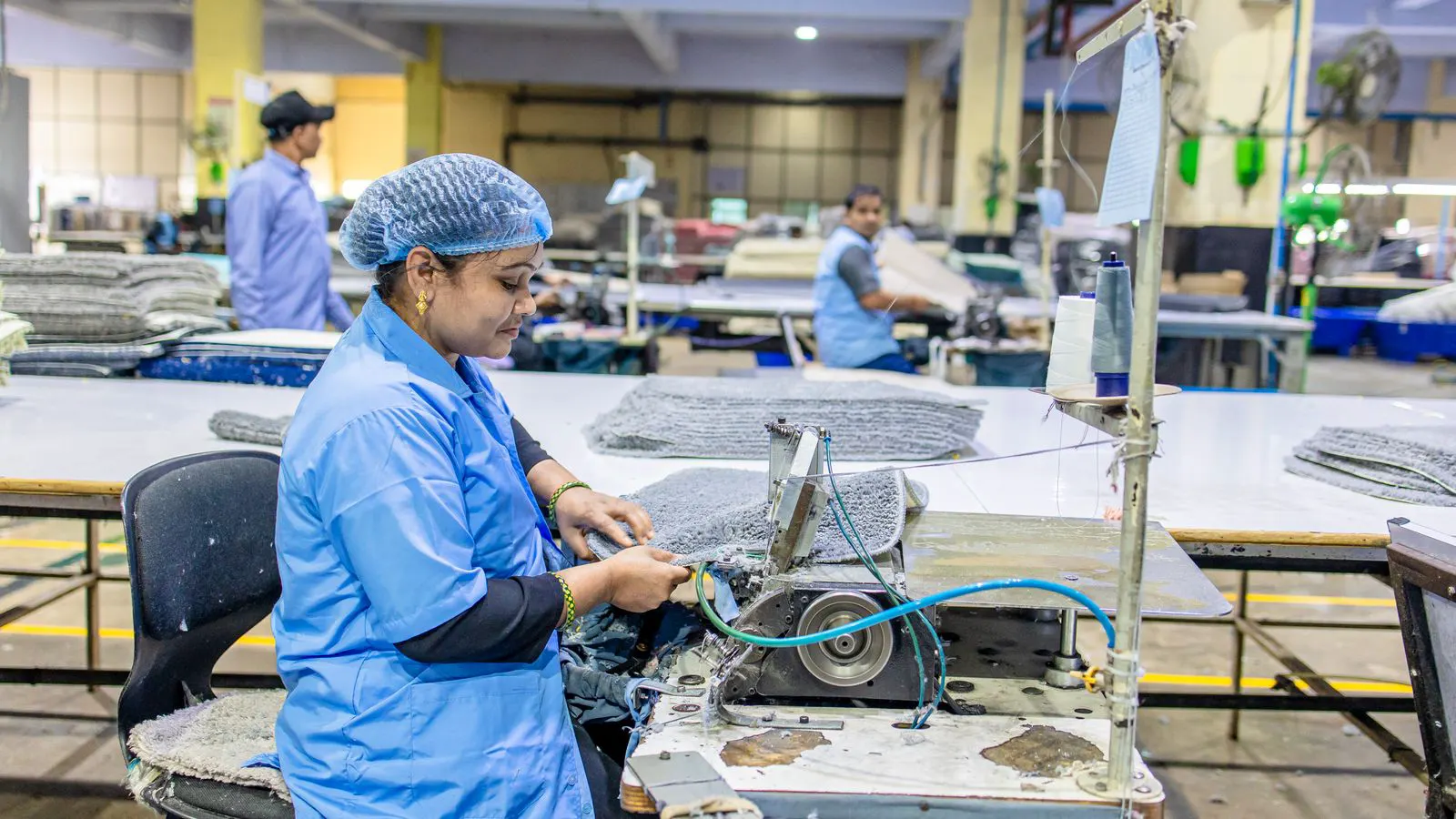
Cut-and-Sew Production
Cut and Sew Production: A Beginner Explainer for Buyers
Cut and sew production converts fabric into finished garments through measuring, cutting, sewing, and inspection. Understanding these steps helps buyers manage quality
Practical apparel manufacturing knowledge for buyers and engineers
This site covers the working details of apparel production. It explains how to build a tech pack, select a fabric, structure a sampling run, and manage a cut-and-sew line. The focus is on the documents, checks, and decisions buyers make during development and production.
Readers find clear explanations of how each stage affects cost, lead time, and quality. The content covers sourcing, quality control, compliance, and factory selection without vendor bias. It helps you prepare better briefs, ask sharper questions, and reduce rework.
Start with the stage of the sourcing process you are in.
Learn how to create clear tech packs, manage sample approvals, and avoid communication errors with overseas factories.
Discover how to source fabrics, evaluate suppliers, verify certifications, and manage lead times for apparel production.
Understand cut-and-sew operations, production planning, line balancing, and how to monitor factory capacity and quality.
Learn practical quality control methods, inspection checklists, defect classification, and ways to reduce rework and returns.
See what compliance standards matter in apparel, how social audits work, and how to prepare factories for buyer requirements.
Find practical guidance on pricing factors, minimum order quantities, landed cost, and how to negotiate with apparel factories.
Get a step-by-step approach to evaluating factories, comparing capabilities, and selecting reliable apparel manufacturing partners.
Cut and sew production converts fabric into finished garments through measuring, cutting, sewing, and inspection. Understanding these steps helps buyers manage quality

FOB vs CIF determines who pays for ocean freight and who handles export clearance. FOB keeps the factory's cost visible but shifts logistics control to the buyer. CIF

Ordering fabric swatches is the physical checkpoint that separates a digital promise from a real-world material. This guide walks through the step-by-step process of
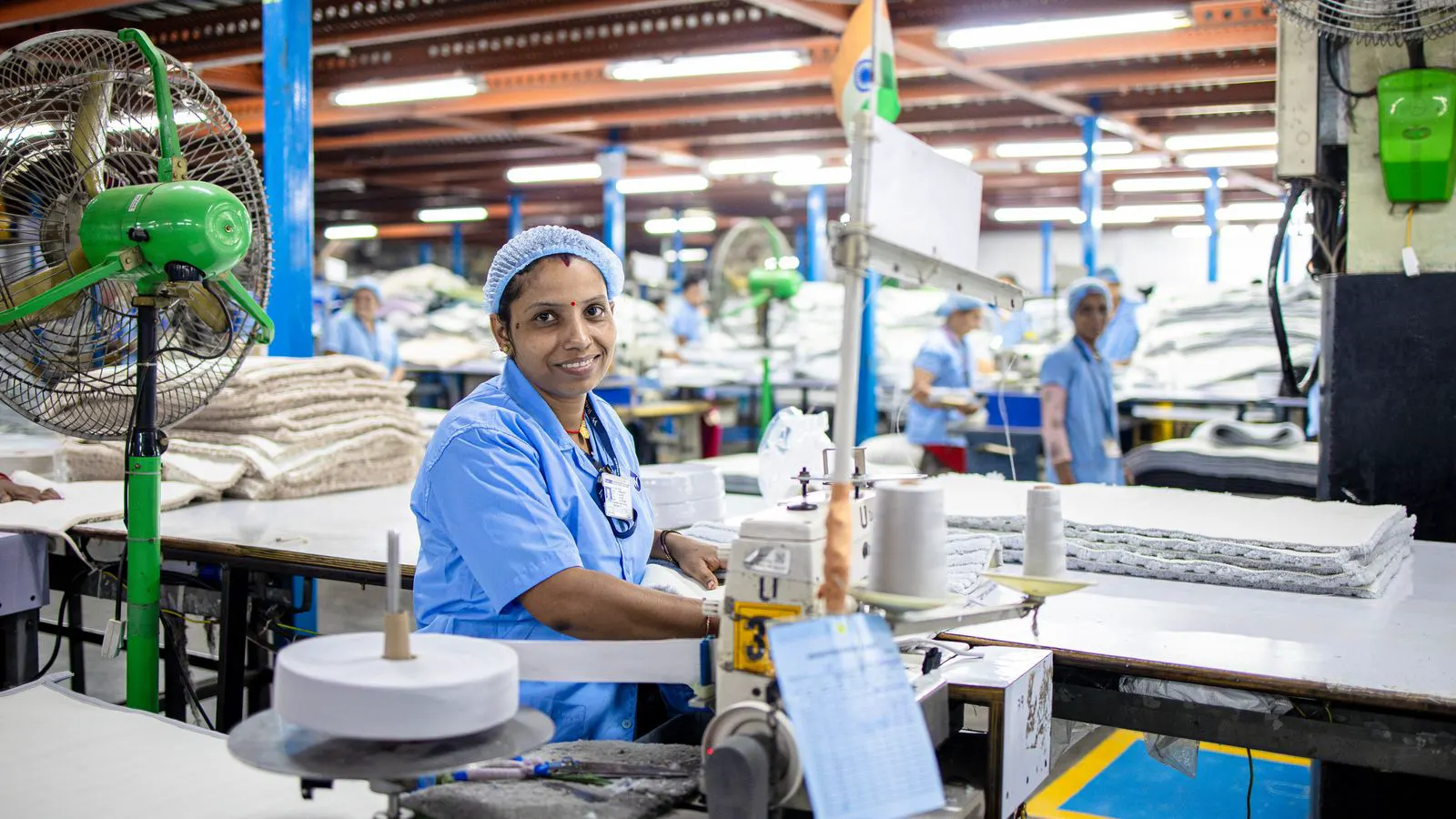
Slow sewing line output usually comes from uneven work distribution, material issues, or machine faults. This guide lists common symptoms, their likely causes, and
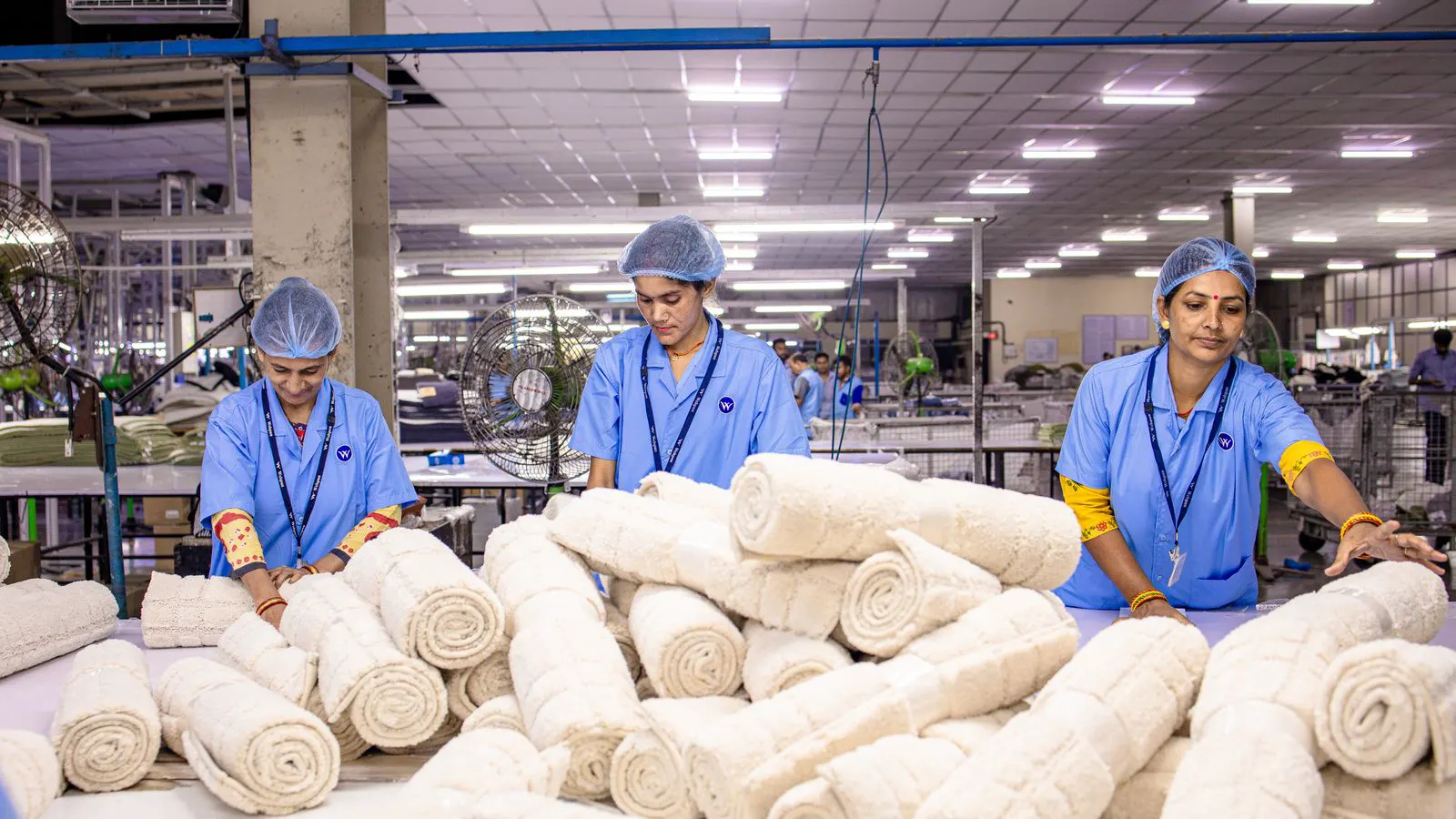
Factory minimums set the lowest quantity you can produce. These limits drive per unit cost, fabric usage, and lead times. Knowing the difference between raw material
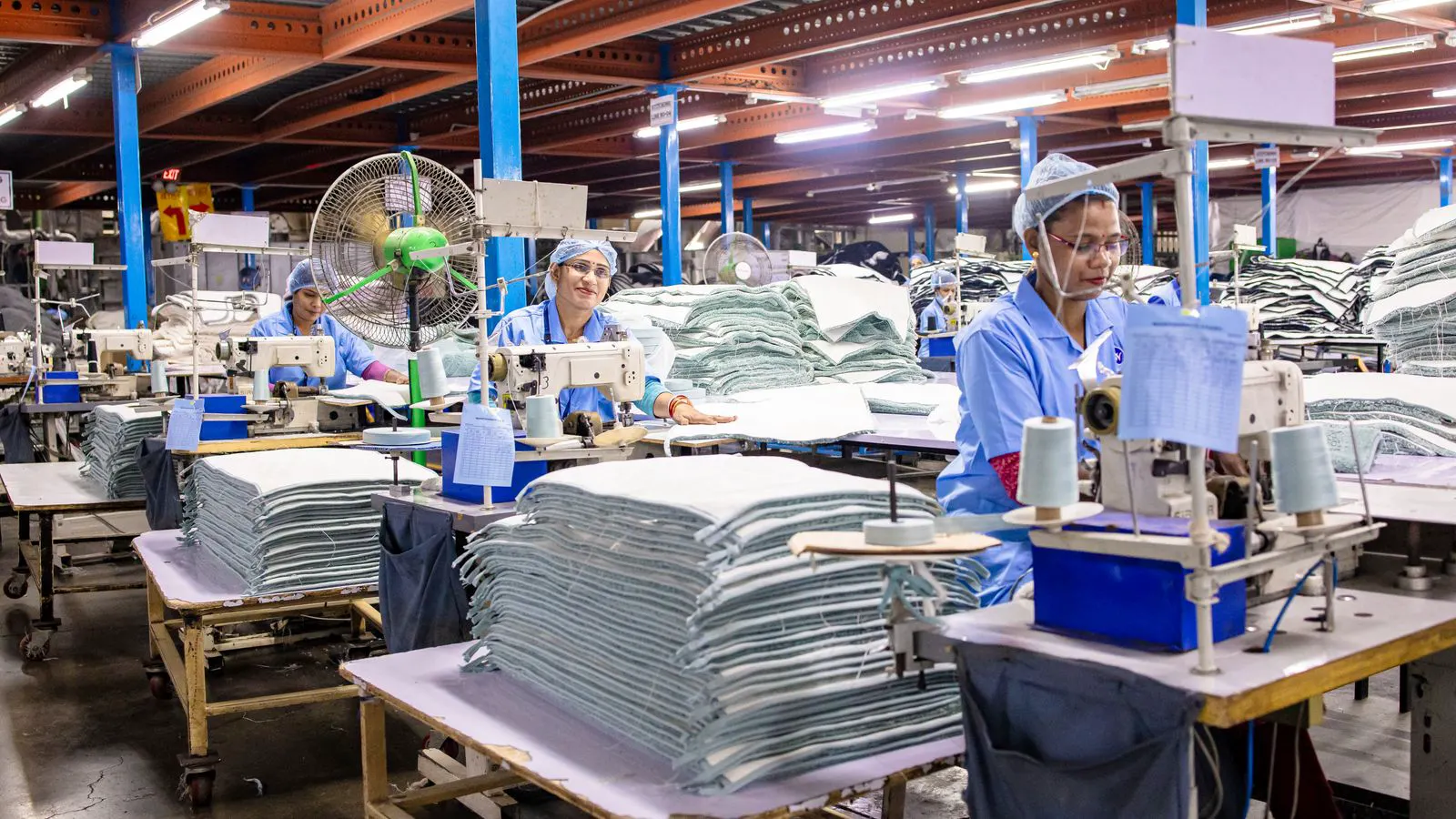
Preparing for a social audit requires organizing records and aligning staff before the external review begins. This guide provides specific steps to organize
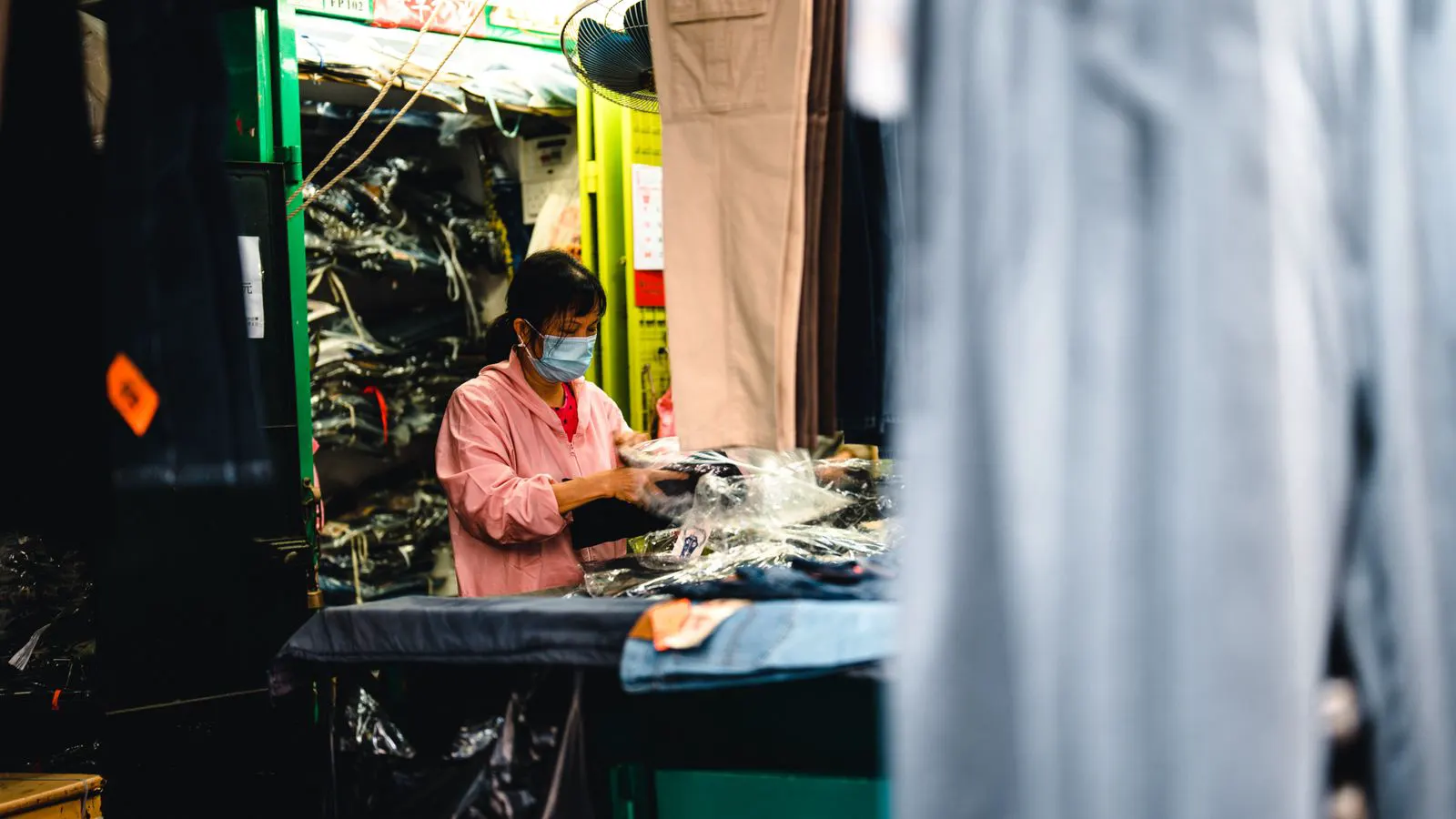
A practical tech pack template uses 12 core fields to document construction, materials, and tolerances. This structure helps buyers and engineers share one clear
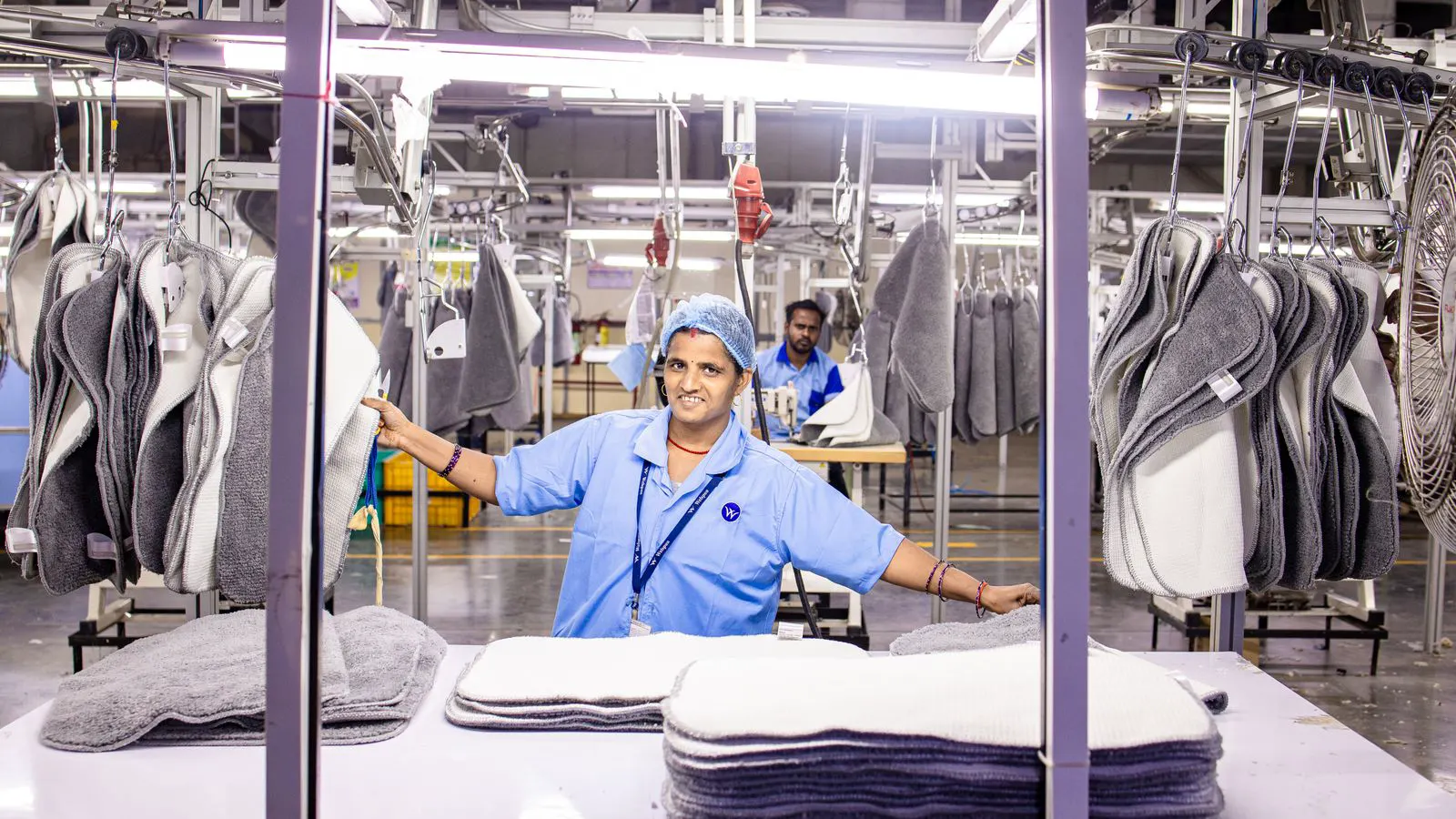
AI inspection is moving from a pilot phase to a standard planning requirement in apparel quality control. Buyers must update supplier audit schedules, restructure data
A tech pack is the detailed specification for a garment. It includes measurements, fabric calls, trims, stitching details, and construction notes. A clear tech pack reduces sampling errors and limits rework during production.
Most buyers run a sample sequence: a development sample, a fit sample, and a pre-production sample. The number depends on complexity, fabric behavior, and how much tolerance you allow in the first run.
Look for defect counts by category, pass rate, and photos of representative issues. A useful report separates minor and major defects and shows where problems occurred in the production line.
Review the factory's audit reports from recognized bodies. Check the scope of the audit, the date, and any corrective actions. A current report from a third-party auditor is more reliable than a verbal assurance.
Fabric type and quantity, labor content, trims, and production volume are the main cost drivers. A small change in fabric weight or trim specification can shift the unit price significantly.
Match the factory's capability to your style. Check their construction experience with your fabric and details, review past work, and confirm capacity, lead time, and QC process before committing to a sample run.