Cut and Sew Production: A Beginner Explainer for Buyers
Cut and sew production converts fabric into finished garments through measuring, cutting, sewing, and inspection. Understanding these steps helps buyers manage quality, timelines, and factory operations effectively during sourcing.
- Cut and sew facilities handle the entire transformation from fabric to finished garment.
- Clear communication of style specs and BOMs reduces production errors.
- Factory operations depend on standardized measurements, balanced lines, and quality checks.
What Is Cut and Sew Production?
Cut and sew production is the process of turning raw fabric into finished garments. It covers measuring, cutting, sewing, finishing, and inspection. Most apparel brands outsource this work to specialized facilities, though some in-house operations handle the full scope.
For buyers, this stage determines whether a product ships on time with the correct size and construction. If the cut is off, the sewing line cannot fix it. If the sewing instructions are unclear, the operator cannot guess the intent.
The term cut and sew applies broadly. Some facilities are fully integrated, handling fabric cutting and sewing under one roof. Others split the work, with the cutting room feeding multiple sewing lines or external finishers.
How Does the Workflow Move Through the Factory?
The production line follows a logical path. Fabric arrives at the cutting room, where it is measured and stacked. Then the cutting machine or manual cutter creates the pattern pieces.
Each piece is marked with style numbers, size codes, and sewing instructions. These markings guide the operators on the sewing floor. The pieces move to the line, where operators sew them into a finished garment.
After sewing, the garment goes through finishing and inspection. This may include trimming, pressing, labeling, and quality checks. The final garment is packed for shipment.
Key Terms Buyers Need to Know
Several terms appear constantly in factory communications. Understanding them prevents miscommunication and delays.
| Term | Meaning |
|---|---|
| BOM | Bill of materials, listing every component needed for a style |
| TPL | Technical pack, the visual and written guide for construction |
| Cutting layout | How pattern pieces are arranged on fabric to minimize waste |
| Sewing line | The sequence of operations on the production floor |
| WIP | Work in progress, garments at various stages of completion |
| QC | Quality control, the inspection process before or during production |
The BOM tells you what goes into the garment. The TPL explains how to build it. The cutting layout affects fabric cost. The sewing line determines production speed. WIP is what sits on the floor while waiting for the next step. QC is where defects surface before the customer does.
How Cutting Affects Sourcing Decisions
The cutting room is where fabric cost and waste are decided. A good cutting layout uses fabric efficiently. A poor one leaves more offcuts, which means the buyer pays for material that never becomes part of the garment.
When reviewing a style, ask about the cutting layout. Some styles with complex darts or curved seams waste more fabric than simple boxy shapes. If the buyer wants lower fabric cost, the design team should adjust the pattern before sampling.
The cutting room also determines size runs. If the sizes are not cut accurately, the finished garments will not match the spec sheet. Buyers should confirm that the cutting room uses the approved pattern and that all sizes are cut together.
How Sewing Lines Operate
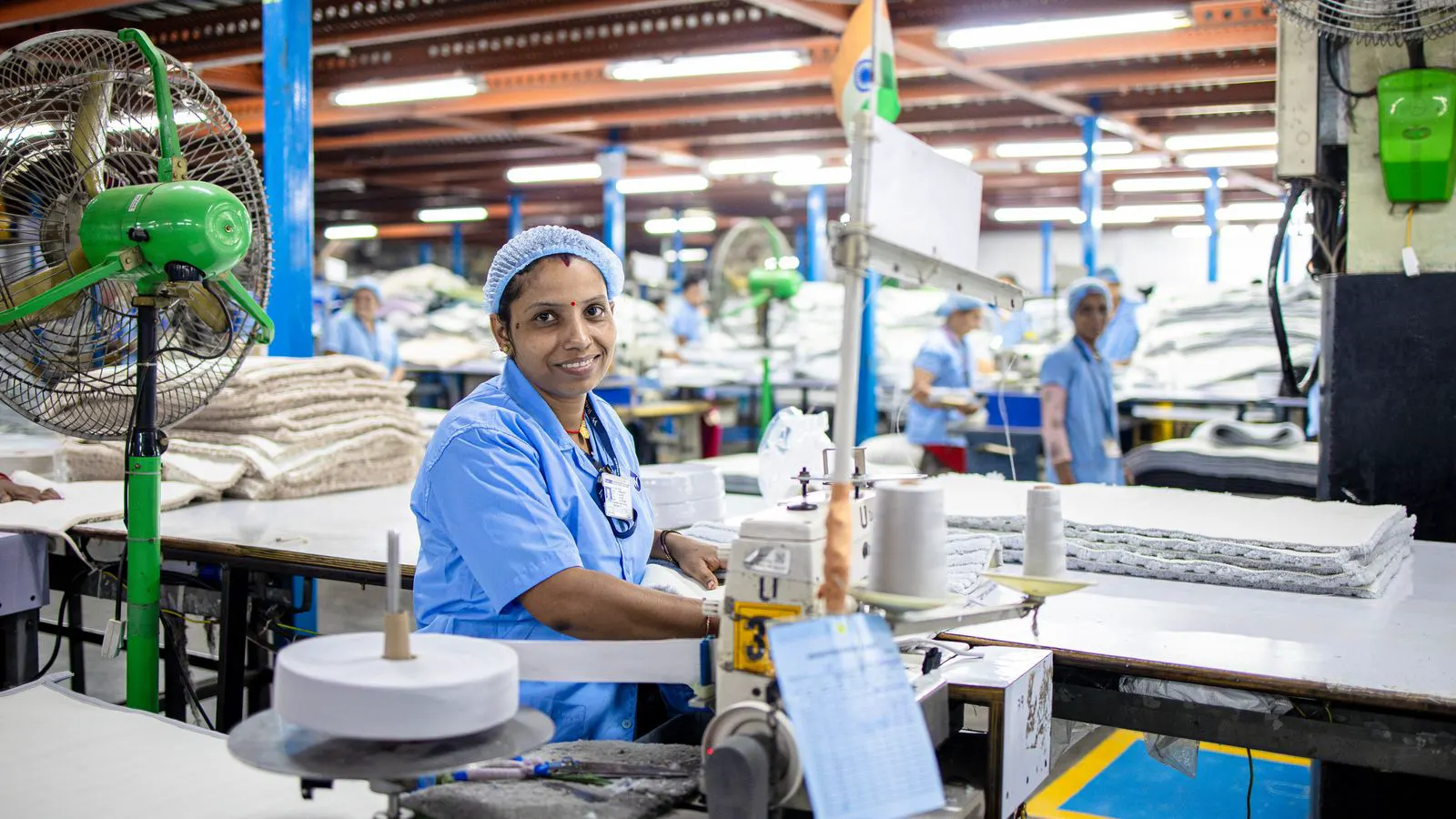
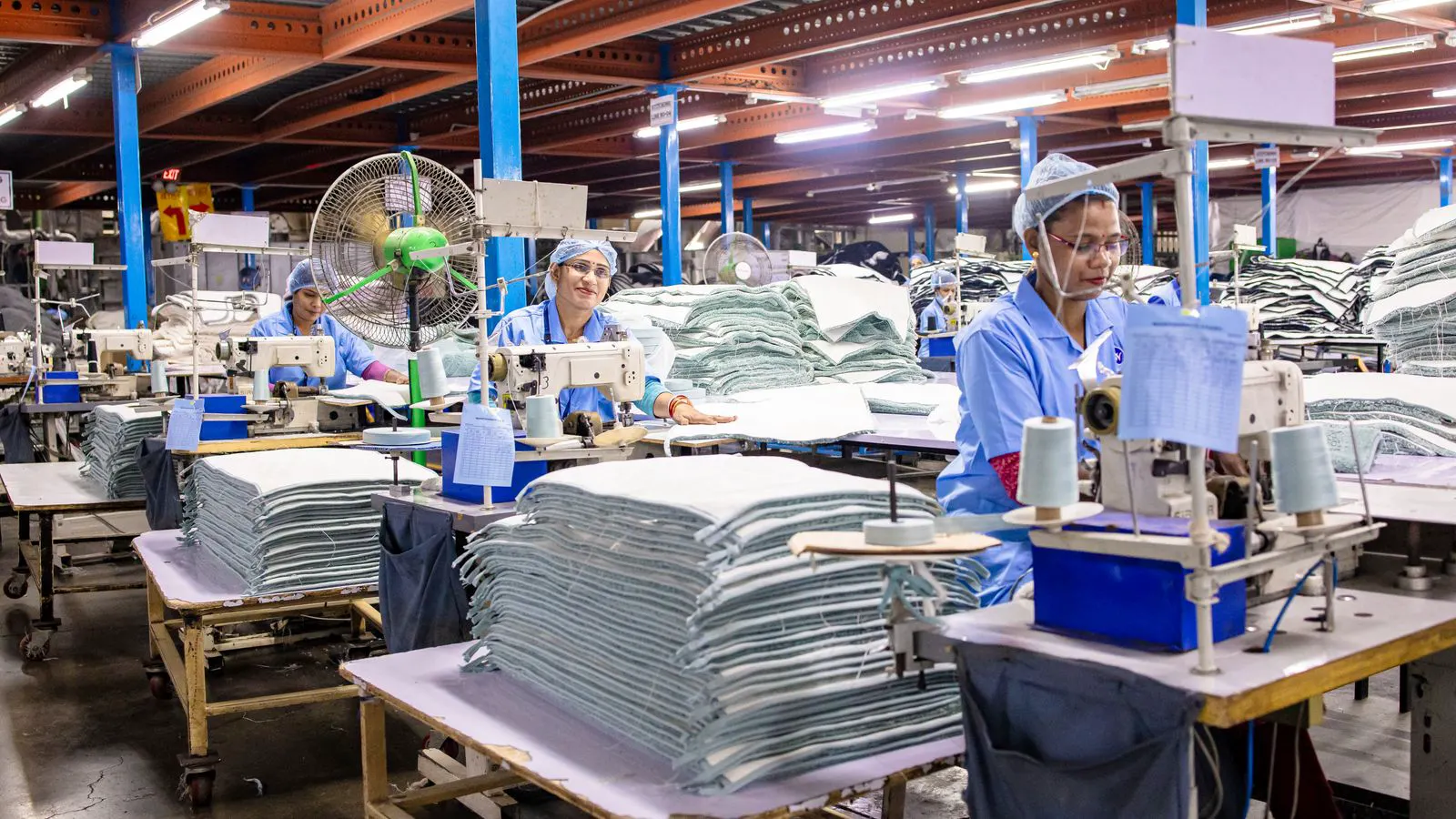
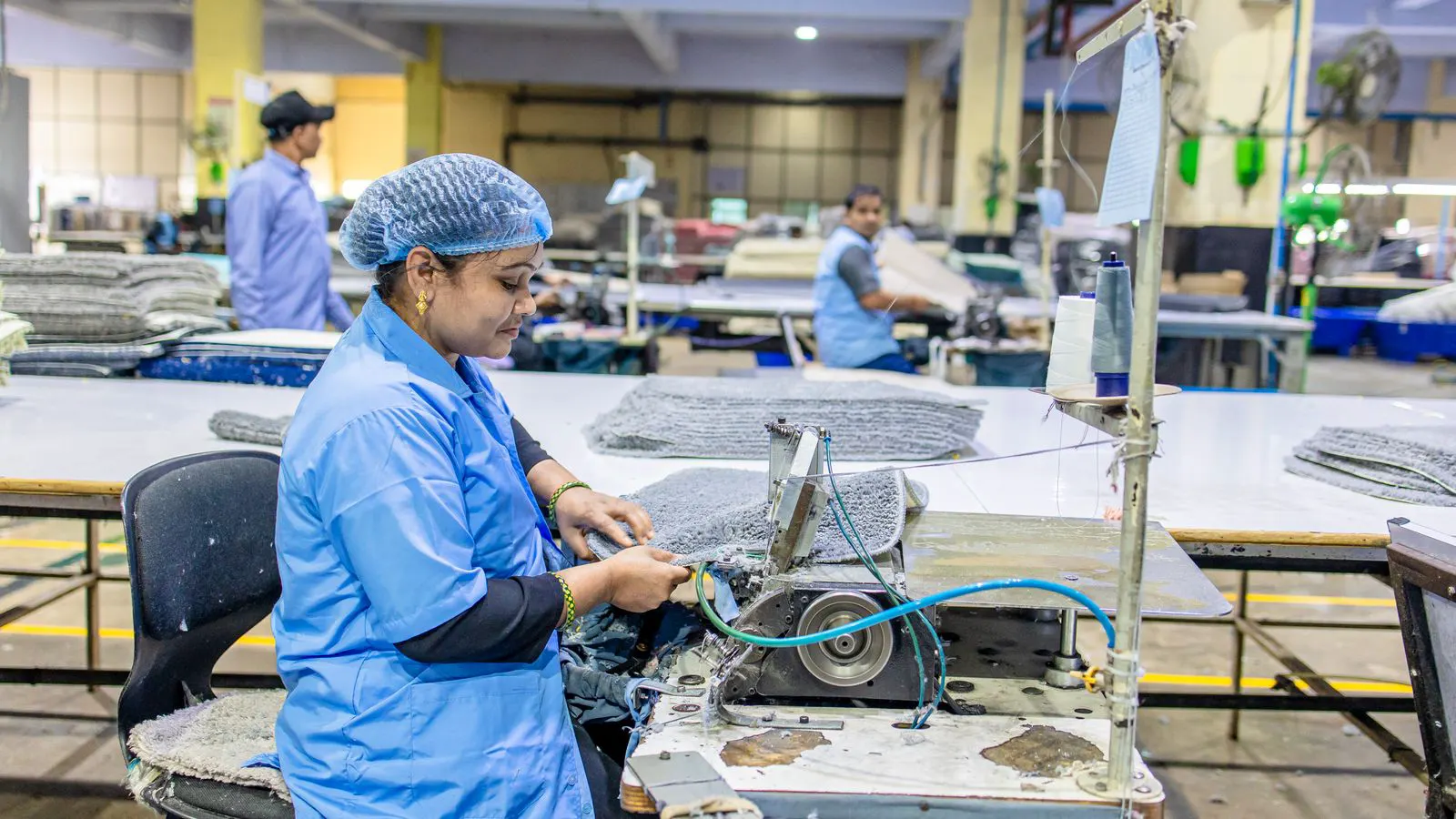
The sewing floor is where the garment takes shape. Operators sit at machines and complete specific tasks. A typical line might have a front panel operator, a sleeve operator, and a back panel operator. Each person focuses on one or two operations.
The line is balanced. This means the time for each operation is similar. If one step takes much longer than another, the line slows down. The bottleneck determines the overall speed.
Operators rely on the TPL and the sample garment. If the TPL is vague, operators make assumptions. Those assumptions become defects. Clear instructions and a well-made sample reduce errors.
The sewing line also depends on thread quality and machine maintenance. If the needle breaks often or the thread is poor, the output drops. Factory operations require regular checks of the equipment and consistent material supply.
Quality Control and Common Mistakes
Quality control happens at multiple points. In-line QC checks garments as they move through the line. Final QC inspects the finished product before packing.
Common mistakes include wrong stitch length, uneven hems, missing buttons, and incorrect size labels. These issues often trace back to unclear instructions or rushed operations.
Buyers should define the acceptable defect rate. Some defects are minor, like a small thread snag. Others are major, like a missing pocket. Knowing which is which helps in negotiations and in deciding whether a batch passes.
The inspection process should be documented. Photos and notes create a record. If a defect repeats, the factory should address the root cause, not just rework the unit.
How Factory Operations Impact Delivery
Factory operations are the daily reality of the production floor. They include staffing, scheduling, material flow, and maintenance.
If the sewing line is short-staffed, the output drops. If the cutting room runs late, the sewing line waits. If the fabric arrives with defects, the cutting room must sort and discard material.
Buyers should visit the factory if possible. Seeing the layout, the line balance, and the quality checks gives a clear picture of the operation. If a visit is not possible, ask for photos, videos, or a live call during production.
Delivery dates depend on these operations. A factory that runs smoothly delivers on time. A factory with poor planning often misses deadlines. Understanding the workflow helps the buyer set realistic expectations.
A Worked Example in Plain Words
Imagine a buyer sourcing a basic t-shirt. The style is simple: crew neck, short sleeve, no pockets. The BOM lists the fabric, thread, and labels. The TPL shows the construction steps and stitch details.
The cutting room receives the fabric. The cutting layout is designed to fit multiple pieces per bolt of fabric. The pieces are cut for sizes S to XL. Each piece is marked with the style number and size.
The pieces move to the sewing line. One operator sews the shoulder seams. Another sews the side seams. A third hems the bottom and the sleeve. A final operator attaches the labels and checks the garment.
The in-line QC worker inspects each shirt as it leaves the line. The final QC checks the packed batch against the spec sheet. If the hem is uneven, the shirt is flagged. The factory reworks it or discards it.
This example shows how each step depends on the previous one. If the cutting is off, the hem may not match. If the TPL is unclear, the shoulder seam may be sewn incorrectly. If the QC is weak, defects reach the customer.
What Buyers Should Ask Before Sourcing
Before placing an order, buyers should ask clear questions about the cut and sew process.
- Can you show the cutting layout for this style?
- How is the sewing line balanced for this garment?
- What is the in-line QC process?
- How do you handle size runs and fabric waste?
- What is the final inspection standard?
These questions reveal whether the factory understands the style and whether the operations are set up for success. The answers help the buyer make informed decisions.
Final Thoughts on Cut and Sew
Cut and sew production is the backbone of apparel manufacturing. It turns fabric into clothing through a series of controlled steps. Buyers who understand the workflow can manage quality, cost, and delivery more effectively.
The key is communication. Clear BOMs, TPLs, and instructions reduce errors. Good factory operations ensure the line runs smoothly. Quality control catches defects before they reach the customer.
For beginners, start with the basics. Learn the terms, understand the workflow, and ask the right questions. The rest follows naturally.
Frequently asked questions
What is the difference between cut and sew and full packaging?
Cut and sew covers cutting and sewing the garment. Full packaging adds folding, labeling, and box preparation. Some facilities handle both, others split the work.
How does the cutting layout affect fabric cost?
A good layout uses more fabric per bolt and creates fewer offcuts. This lowers the material cost per garment. A poor layout wastes fabric and raises the cost.
What is WIP and why does it matter?
WIP stands for work in progress. It is the number of garments at various stages on the floor. High WIP can signal a bottleneck or a slow line.
How do buyers know if a factory is reliable?
Look at the operations. A well-organized factory has clear instructions, balanced lines, and documented QC. Visits or live calls help confirm this.
What is the most common mistake in cut and sew production?
Unclear instructions and poor sample preparation. If the TPL is vague, operators guess, and defects follow. Clear documentation prevents most errors.